The food and beverage industry is highly competitive, fast-paced, and demanding, with businesses constantly facing challenges in kitchen operations and customer service. Automated Intelligence (AI) combines cognitive capabilities with robotic automation to streamline these tasks. This integration enables robots to execute tasks based on AI-driven decisions, such as preparing and serving food and drinks. Would you consider dining at a restaurant where robots handle the service, ensuring efficient and timely delivery of meals?
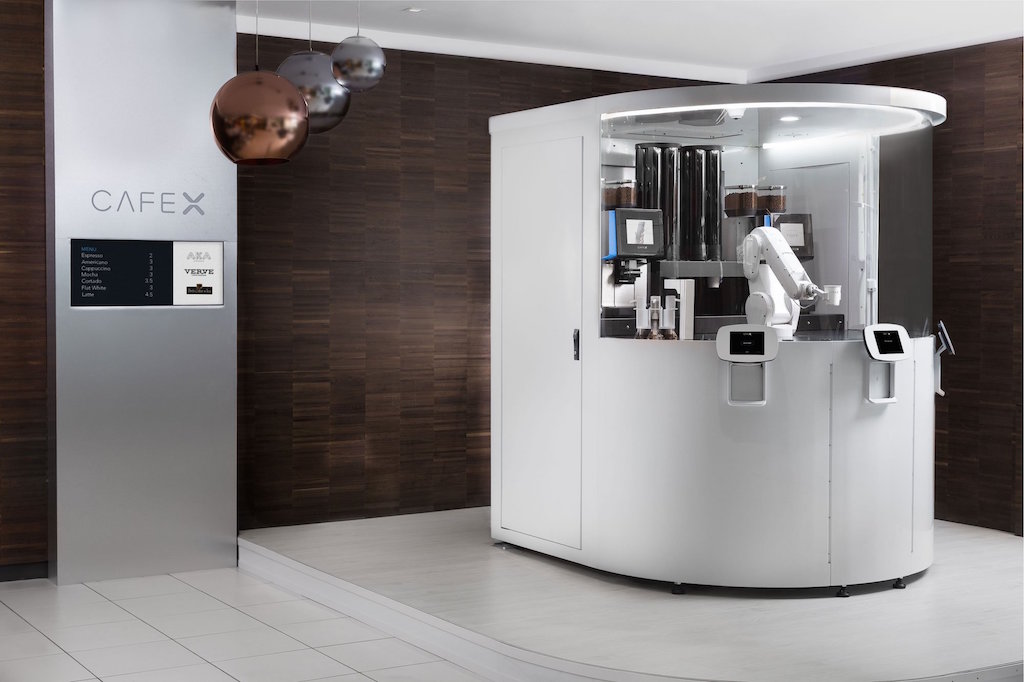
(CafeX, 2025)
Automated intelligence (AI) holds the potential to transform the food and beverage industry, especially in the developing world, by streamlining operations, reducing costs, and improving customer experiences. This technology tackles industry challenges such as human resource management, inventory control, wastage, consistency, and customer service, providing transformative solutions for restaurant owners (Mahmood, 2023).
AI in this sector involves the integration of machine learning, robotics, and data analytics to automate and optimize tasks and facilitate intelligent decision-making. Practical applications include smart kitchen appliances like robotic chefs and AI-powered ovens, AI-driven customer service tools like chatbots and voice assistants, and advanced predictive analytics for inventory management and demand forecasting using augmented and virtual reality. Robotic servers and bartenders further enhance efficiency in order delivery and drink preparation. The subsequent sections will explore these AI applications, discuss their benefits, and consider the challenges they present.
Benefits of Integrating AI
Enhancing Operational Efficiency in the Food Industry Through AI
AI technology significantly enhances operational efficiency by automating repetitive tasks such as food preparation, cooking, and cleaning, allowing staff to focus on more strategic activities. For instance, “Miso Robotics” has developed Flippy, a robot that automates frying and grilling tasks in fast-food kitchens, which enhances consistency and speed (Robotics, 2023).
Improving Customer Experience
AI-powered chatbots and kiosks can improve the customer experience by taking orders, answering questions, and providing personalized recommendations efficiently. A notable example is Domino’s AI chatbot, Dom, which handles orders and suggests menu items based on customer preferences.
Cost Savings Through Automation
Automation in the food industry helps in reducing labor costs and minimizing waste by optimizing inventory and food preparation. AI systems are adept at predicting demand, which helps in adjusting orders to reduce food spoilage and overstocking.
Data-Driven Decision Making
AI also plays a crucial role in analyzing sales data, customer preferences, and market trends, aiding businesses in making informed decisions. For example, AI can identify which menu items are most popular and suggest effective pricing strategies (Bradley, 2024).
Enhanced Hygiene and Safety
In terms of hygiene and safety, robots are capable of handling cleaning and sanitizing tasks, ensuring a hygienic environment. Additionally, contactless ordering and payment systems help reduce the risk of contamination, promoting a safer dining experience.
Challenges and Considerations
While the benefits of integrating AI into the food industry are substantial, there are also notable challenges that need to be addressed. Firstly, the high initial costs of implementing AI technology can be a significant barrier, although the return on investment often justifies these expenditures. Additionally, there is a need for staff training, as employees may require new skills to effectively work alongside AI systems (Jorge Tamaya, 2023). Moreover, customer acceptance can vary, with some customers potentially hesitant to embrace AI-driven services. Addressing these challenges is crucial for businesses looking to successfully integrate AI into their operations.
The Future of AI
The potential applications of AI in the food and beverage industry are vast and transformative. For instance, fully automated kitchens could enable restaurants to operate with minimal human intervention, significantly streamlining operations and reducing labor costs. Additionally, AI can offer hyper-personalization by creating custom menus tailored to individual dietary needs and preferences, enhancing customer satisfaction. Furthermore, AI can foster sustainable practices by helping to reduce food waste and optimizing supply chains, thus contributing to more environmentally friendly operations. These advancements highlight the innovative ways AI could revolutionize the food and beverage sector.
Scalability and Flexibility
AI systems are highly adaptable to changing demands, significantly easing the scaling process for businesses. During peak times, AI can intelligently adjust operations to ensure smooth service delivery without overburdening staff, thereby enhancing customer satisfaction and operational efficiency. Furthermore, the automation of processes facilitated by AI technology allows businesses to open new locations or expand their services with minimal increases in labor costs. This capability not only streamlines expansion but also enhances the potential for growth and profitability in a competitive market.
Conclusion
Automated intelligence is no longer a luxury – it’s a necessity for businesses looking to thrive in the modern food and beverage industry. By leveraging AI and robotics, businesses can enhance efficiency, reduce costs and deliver exceptional customer experiences. The future is here, and it’s time to embrace the power of automated intelligence.
What are your thoughts on automated intelligence in the F & B industry? Share your comments below or reach out to discuss how you can integrate this technology into your business!
References
(Brown, 2017)
(Mahmood, 2023)
(Bradley, 2024)
(CafeX, 2025)
(Robotics, 2023)
(Jorge Tamaya, 2023)
 MindCanvas UI/UX Designs
Leave a comment